Eden Project sets example for G7

G7, the annual meeting of some of the world’s richest nations, took place recently in
Cornwall, UK. Coincidentally I grew up in the same area, so had more than one reason to
tune in to the coverage.
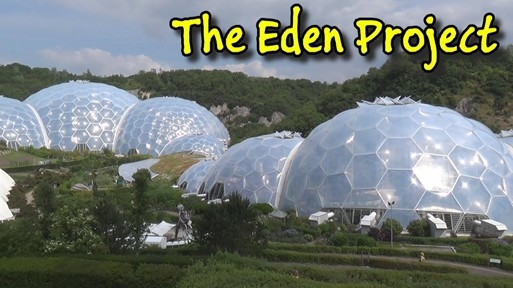
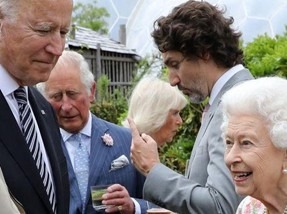
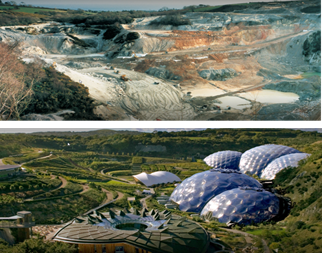
Perhaps some Kenyans might have known that when G7 leaders dined with Queen Elizabeth at The Eden Project, they were surrounded by one of today’s most important adverts for sustainable change. Eden was an ambitious millennial initiative which focused on reclamation of an enormous, disused quarry (the result of many

Meeting friends at Haller Park
years mining). Inland from its picturesque coastline, Cornwall is potholed with massive china clay pits The objective was to turn an environmental disaster into something functional … and sustainable. It was to be an example of reclaiming the desert to forge an oasis, where flora could flourish in abundance.
Haller Park, near Mombasa in Kenya, is a smaller version of the same wasteland-to-wonderland endeavour, which underpins the value of handing something sustainable to our children, rather than something used and useless: the best we can offer, instead of the worst. And like Haller Park,
Eden has been a resounding success, in terms of the numbers of people who visit each year.
If you visit Eden, you will join one million others each year, to view the enormous hi-tech, bio-domes at the base of the pit (gargantuan greenhouses one could say) and walk through those biomes to experience the ecology of different climates (desert and tropical for example). You might also wander miles of pathways that circle the pit, to see an incredible diversity of plant life from all over the planet.

A few years ago, I visited Eden with a group of Kenyans – teachers from The Rift Valley - as part of a spin-off project titled Gardens for Life. The goal was to take Eden to the world: out to schools in three countries (Kenya, India, UK), incorporating gardens into the experience and education of young people. The Gardens project was - like Eden itself - a resounding success, but regrettably did not continue in Kenya. Fortunately, its parent body lives on, to spread the message of sustainable change … even to monarchs and presidents.
So when the elite countrys’ leaders visited Eden, there were high hopes they too would be inspired to follow this example, rising to the grave challenges we face, such as the Climate Crisis. If these leaders wished to live up to their leadership name, they could take a leaf from Eden’s playbook, and lead by example, to forge a path which brings exceptional measures to bear in these extraordinary times.
Our planet is ailing badly, but those at the pinnacle of politics still seem not to have fully grasped that fact. We need inspired thinking along the lines of Eden to enable sustainable change on both the local and the global stage.
A COMMENT FROM THE AUTHOR: I recommend that anyone visiting the UK take time out to travel to Cornwall and spend a day at Eden. It is truly an inspirational experience.
Duncan Gregory